WE ARE HIRING • WE ARE HIRING • 
flutterApril 20, 20268 min read

How I Built a Production-Ready AI Chat App in FlutterFlow (With OpenAI + Firebase)

FlutterFlow AI Chat AppFlutterFlow OpenAI IntegrationFlutterFlow ChatGPT AppAI Chat App FlutterFlowFlutterFlow Firebase Chat App

Introduction

AI is everywhere in 2026 but building a production-ready AI chat app is still challenging, especially when using low-code tools like FlutterFlow. In this article, I’ll walk you through how I built a scalable AI chat system using FlutterFlow + Firebase + OpenAI API.

Architecture Overview

  • Frontend : FlutterFlow UI
  • Backend : Firebase (Firestore + Cloud Functions)
  • AI Engine : OpenAI API
  • Storage : Chat history in Firestore

Chat Data Structure

Each message is stored like this enabling easy chat history retrieval, real-time UI updates, and a scalable structure:

{
  "userId": "123",
  "message": "Hello AI",
  "response": "Hi, how can I help?",
  "timestamp": "server_time"
}

Securing the OpenAI API

Never expose your API key in the frontend. Instead, use Firebase Cloud Functions as a proxy send request → backend → OpenAI → return response. This keeps your app secure and your key hidden.

Handling Token Usage (Cost Control)

AI APIs can get expensive. To keep costs under control:

  • Limit message length per request
  • Store token usage per user in Firestore
  • Restrict free users with a daily message limit

UI Challenges & Solutions

Problem: Chat UI lag with many messages. Solution: Pagination, lazy loading, and efficient Firestore queries to render only what’s needed.

Final Result

  • Real-time AI chat
  • Scalable backend
  • Controlled cost
  • Smooth UI

Conclusion

FlutterFlow is powerful but combining it with backend logic is the real game-changer. With Firebase handling the secure backend and OpenAI powering the intelligence, you can build a production-ready AI chat system that scales, stays secure, and keeps costs under control.

Keep Reading
Related Articles

You Might Also Like

Is Flutter Good for Business Apps? Pros, Cons and When Not to Use It

Is Flutter Good for Business Apps? Pros, Cons and When Not to Use It

Flutter can cut development cost and speed up launch, but it isn’t right for every business app. Here are the real pros, cons, and the cases where you should skip it.

flutter+3
Nov 2, 2026Read more
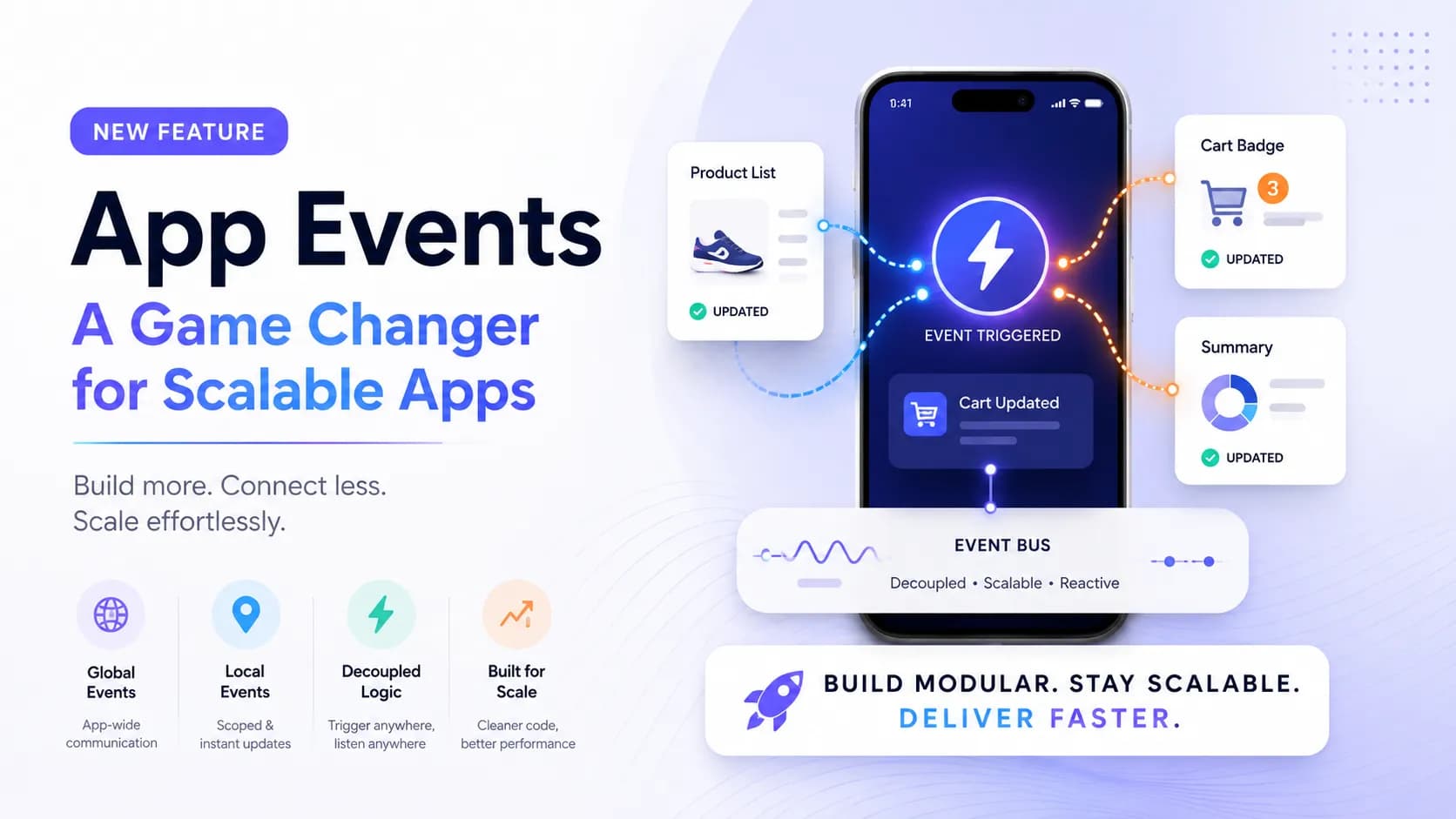
FlutterFlow App Events: Complete Guide for Scalable App Development

FlutterFlow App Events: Complete Guide for Scalable App Development

Introduction Building scalable applications in low-code platforms has always been a balance between speed and maintainability. While FlutterFlow makes UI development incredibly fast, managing communication between different parts of an app could sometimes become complex. With the introduction of App Events, FlutterFlow has taken a major step forward bringing cleaner architecture, better performance, and a […]

flutter
Apr 21, 2026Read more
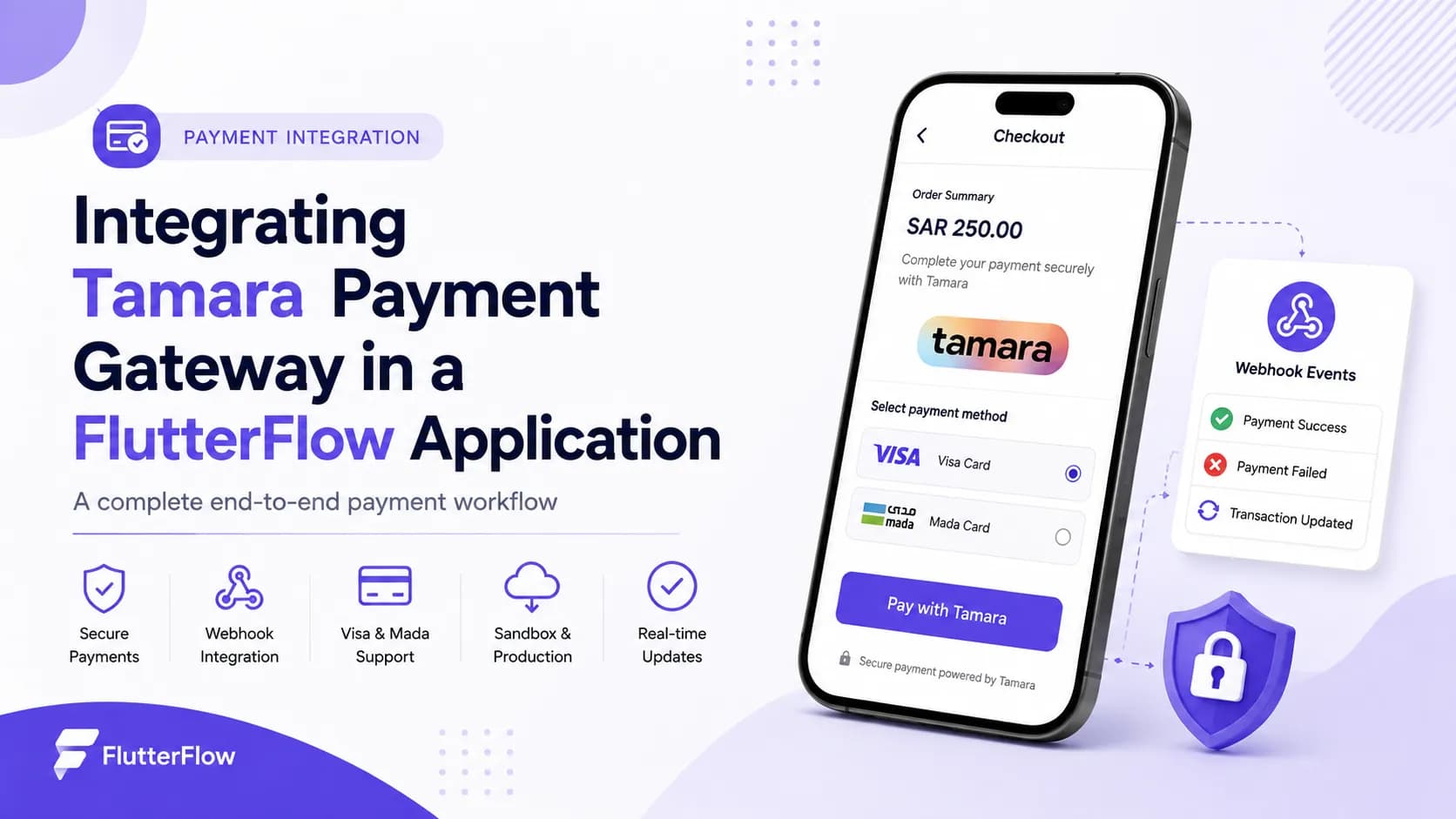
Integrating Tamara Payment Gateway in a FlutterFlow Application

Integrating Tamara Payment Gateway in a FlutterFlow Application

Introduction Integrating a reliable payment gateway is essential for delivering a smooth and secure user experience. Building a payment system isn’t just about processing transactions it’s about ensuring security, reliability, and compliance, all while maintaining a seamless user journey. Here’s how I integrated the Tamara Payment Gateway into a FlutterFlow application, creating a complete end-to-end […]

flutter
Apr 21, 2026Read more
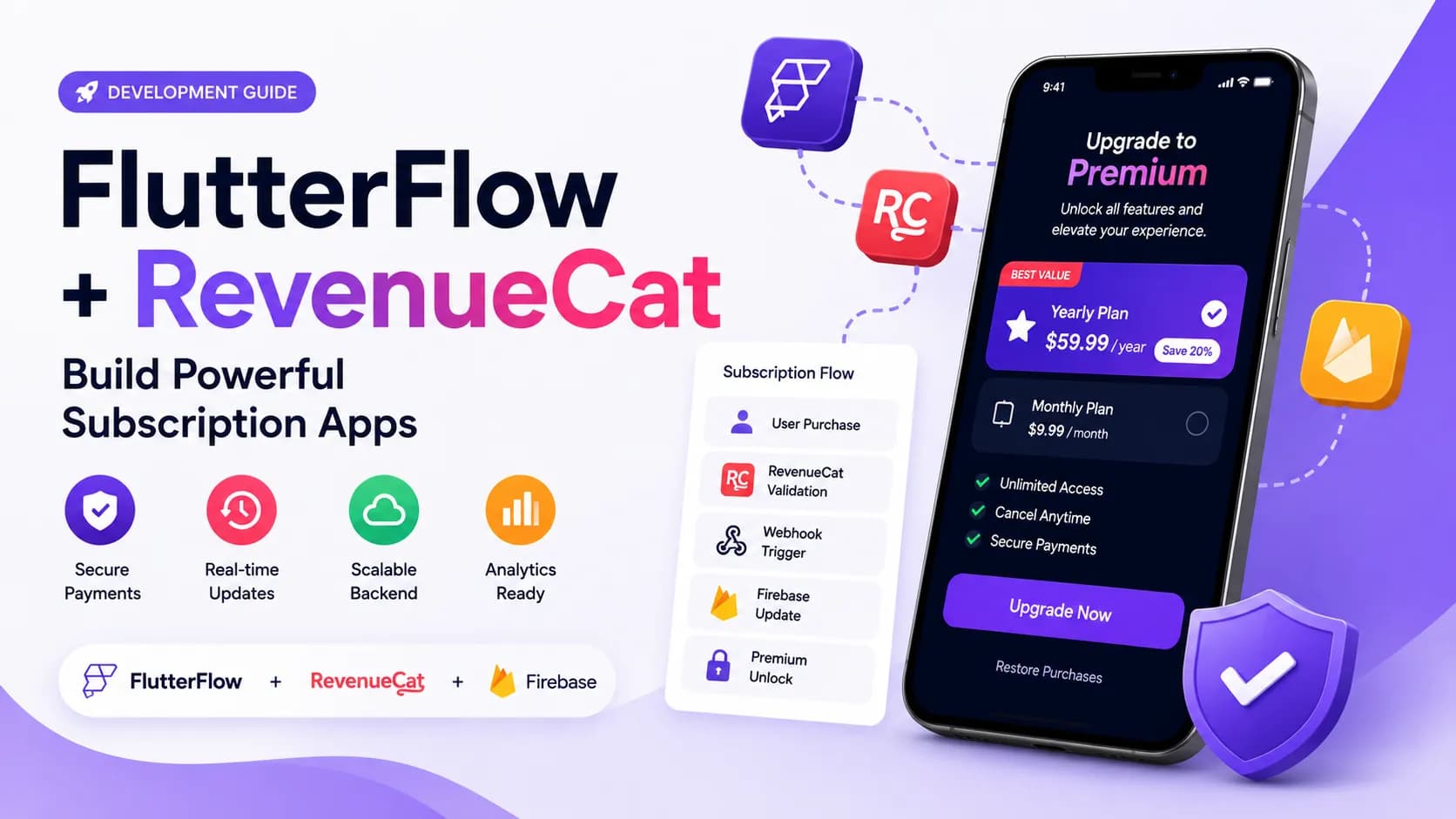
FlutterFlow + RevenueCat: Complete Guide to Subscription Apps

FlutterFlow + RevenueCat: Complete Guide to Subscription Apps

Introduction If you’re building a SaaS or premium mobile app, subscriptions are one of the most reliable monetization models. But implementing them correctly involves more than just adding a payment button you need secure validation, real-time status updates, and proper handling of edge cases like expiry, restore, and refunds. Here’s how I implemented a production-ready […]

flutter
Apr 15, 2026Read more