For decades, developers have worked inside IDEs to write code, manage files, debug errors, and run tests.
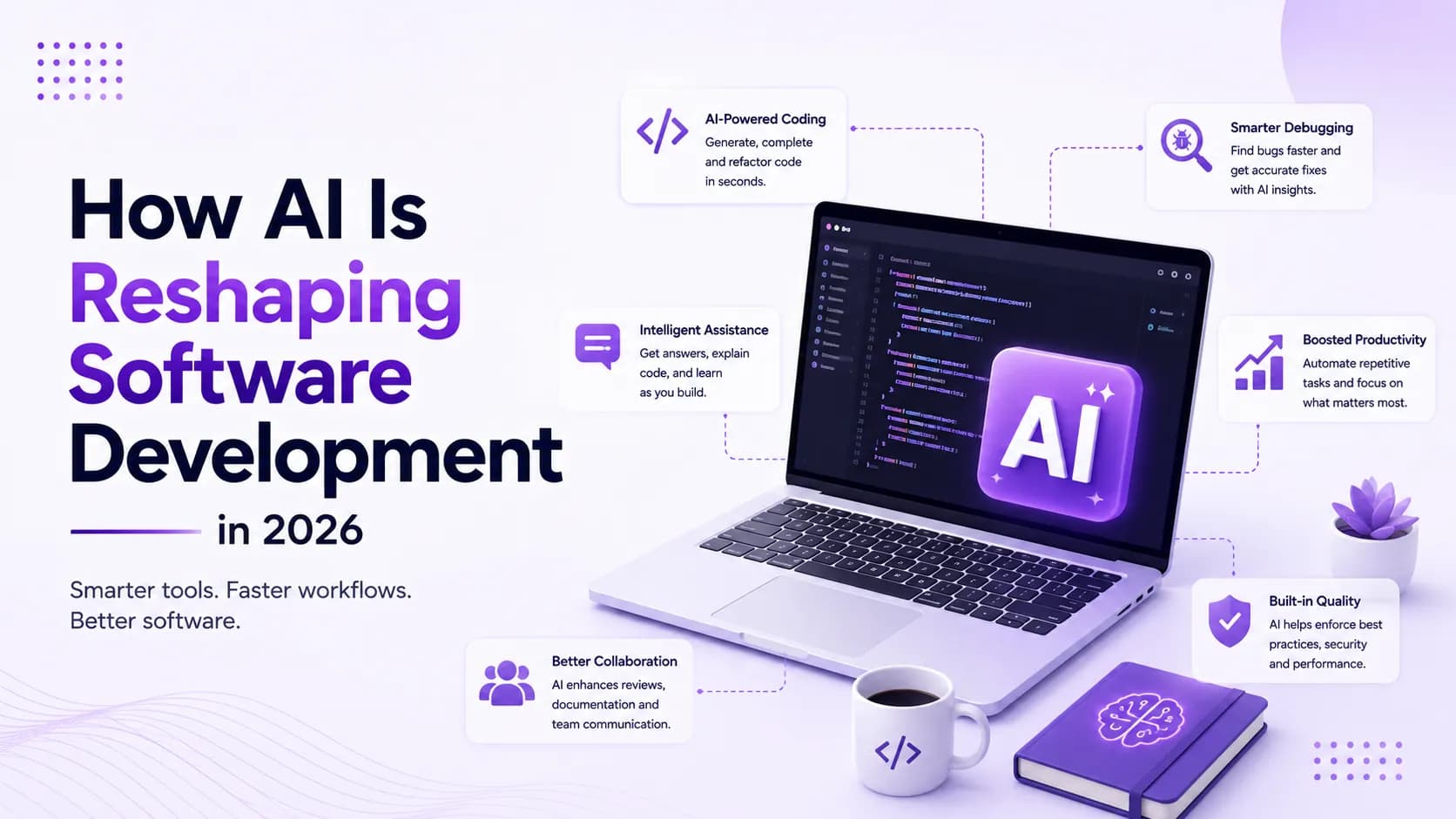
Now, AI coding agents are changing that workflow.
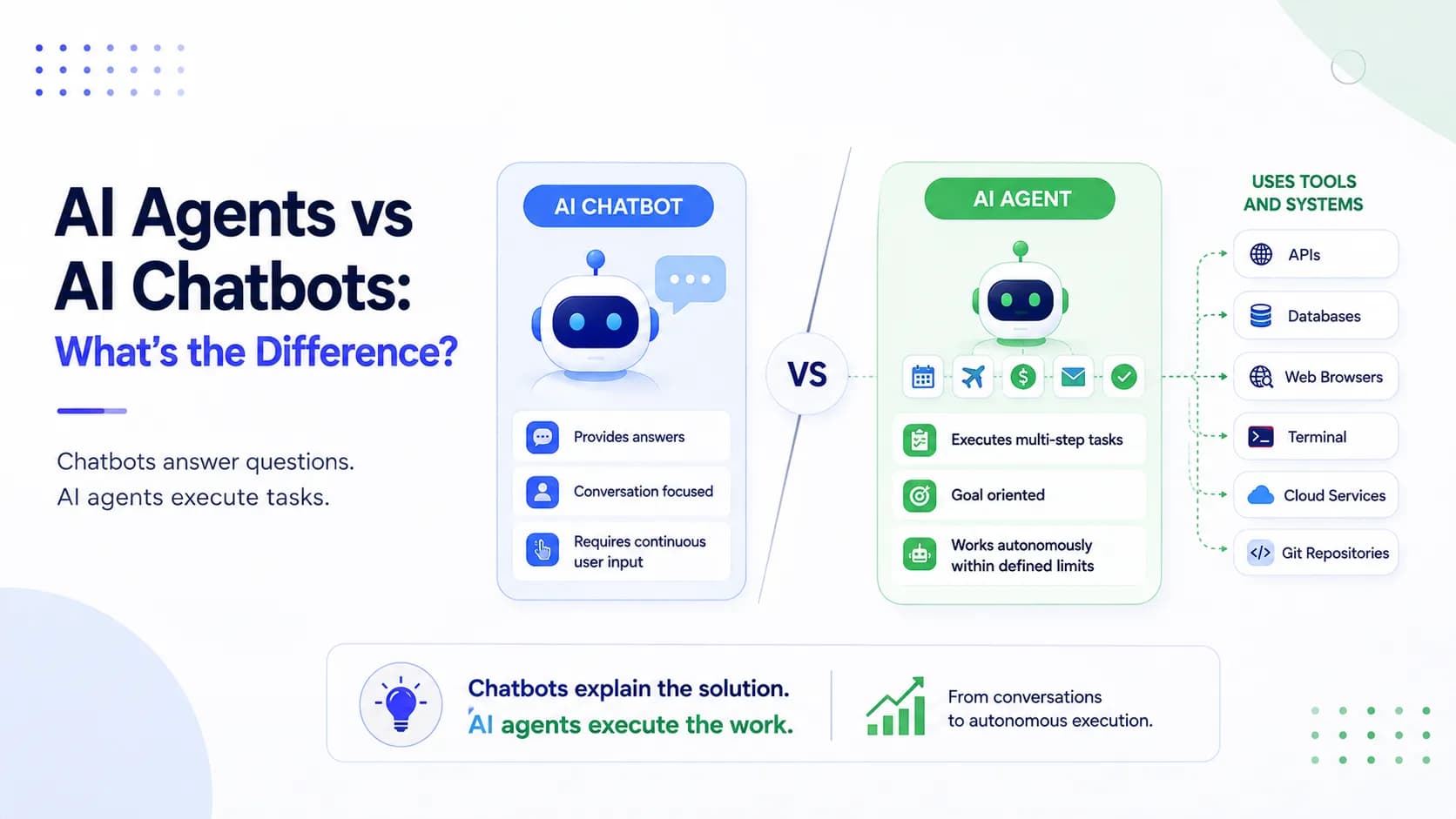
Instead of telling AI what code to write, developers can increasingly describe what they want to build and let an agent plan, code, test, debug, and iterate.
So, are traditional IDEs becoming obsolete?
Not exactly. But their role is changing.
1. Traditional IDEs: Developers Control Everything
Traditional IDEs such as VS Code, IntelliJ, and Android Studio give developers direct control.
You write the code.
You manage the project.
You run the tests.
You debug the problems.
This approach is powerful because developers understand exactly what is happening.
But it also means developers spend a lot of time on repetitive work.
2. AI Coding Agents: From Instructions to Execution
AI coding agents work differently.
You can give an instruction like:
Add authentication, create a dashboard, connect the API, and fix the failing tests.
The agent can potentially:
Understand the codebase
Plan the changes
Write code
Modify multiple files
Run tests
Find errors
Fix issues
Repeat the process
The developer moves from writing every line to directing the work.
3. The Biggest Change: From Code to Intent
This is the real shift.
Traditional development starts with:
Idea → Code → Testing → Product
AI-assisted development increasingly looks like:
Idea → Intent → AI Agent → Code → Product
Developers still need technical knowledge, but the value increasingly comes from knowing what to build and how to evaluate it.
4. Does This Mean IDEs Will Disappear?
Probably not.
Instead, IDEs are likely to become AI-powered development environments.
The editor, terminal, debugger, Git tools, testing tools, and AI agents can all work together.
The IDE may become less about manually writing every line and more about:
Review → Guide → Test → Approve
5. AI Agents Still Have Problems
AI coding agents aren’t perfect.
They can:
Introduce bugs
Misunderstand requirements
Modify the wrong files
Create unnecessary complexity
Produce code that works but is difficult to maintain
That’s why human review remains critical.
Fast code is not automatically good code.
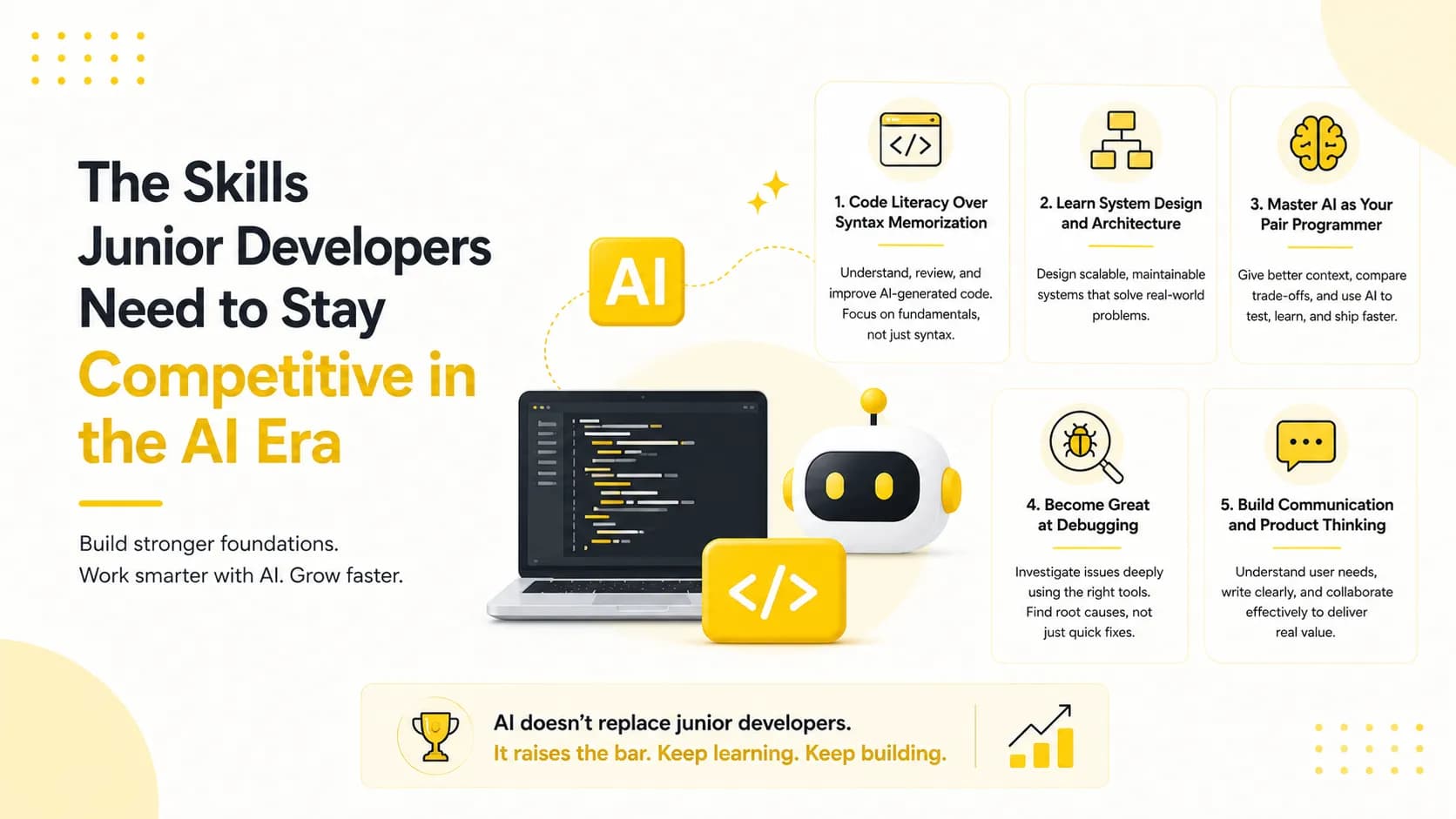
6. The Developer’s Role Is Changing
The developer of the future may spend less time typing boilerplate and more time on:
Architecture
Product decisions
Code review
Security
Performance
Testing
AI supervision
The skill isn’t disappearing.
The skill is moving up the stack.
7. The Hidden Reality
The biggest advantage of AI coding agents isn’t simply writing code faster.
It’s reducing the distance between an idea and a working prototype.
A developer can experiment with more ideas because the cost of trying something new becomes smaller.
That could lead to faster innovation — not fewer developers.
When Should You Use AI Coding Agents?
Use them when:
Building prototypes
Handling repetitive tasks
Writing tests
Refactoring code
Exploring unfamiliar codebases
Automating development workflows
Keep strong human control when:
Designing architecture
Handling sensitive systems
Reviewing security-critical code
Making major production decisions
Final Thoughts
AI coding agents probably won’t kill traditional IDEs.
They will change what an IDE is expected to do.
The future may not be:
Developers vs AI
It may be:
Developers + AI agents + smarter IDEs
The keyboard isn’t disappearing.
But the amount of code developers need to type might be.