

Same App, Half the Wait
A focused performance optimization pass across the app's rendering, data-fetching, and asset-loading layers, cutting load times and jank without changing a single feature.
The Challenge
“The best feature is the one that loads before you notice it's loading.”
Solution & Architecture
Profiled before touching any code
Used performance profiling tools to find the actual bottlenecks, instead of guessing where the app felt slow.
Reduced unnecessary re-renders
Applied memoization and stricter state management so components only update when their data actually changes.
Optimized database queries
Added indexes, narrowed queries to only the fields needed, and removed redundant calls that fetched the same data repeatedly.
Compressed and lazy-loaded assets
Images and media were resized, compressed, and loaded only when they entered the viewport.
Split code into smaller, on-demand chunks
Non-critical screens and features load only when the user navigates to them, keeping initial load light.
Introduced caching where it made sense
Frequently accessed data is cached locally so repeat views don't trigger a new network call every time.
Related Case Studies
Explore how we deliver results across other domains and technologies.

Intelligent Connection Management Reduced Video Call Failures by 90%
Keeping video meetings stable becomes challenging when participants frequently join, leave, or reconnect. Traditional WebRTC implementations often leave stale signaling data behind, causing frozen video streams and failed reconnections that negatively impact the meeting experience.

Zero-Trust Local Encryption Protected 100% of Sensitive Vault Data
Modern password managers store highly sensitive information including passwords, banking credentials, API keys, secure notes, and confidential documents. Protecting this information requires more than database encryption—it demands a zero-trust architecture where encryption keys remain inaccessible and sensitive data is never stored in plain text.
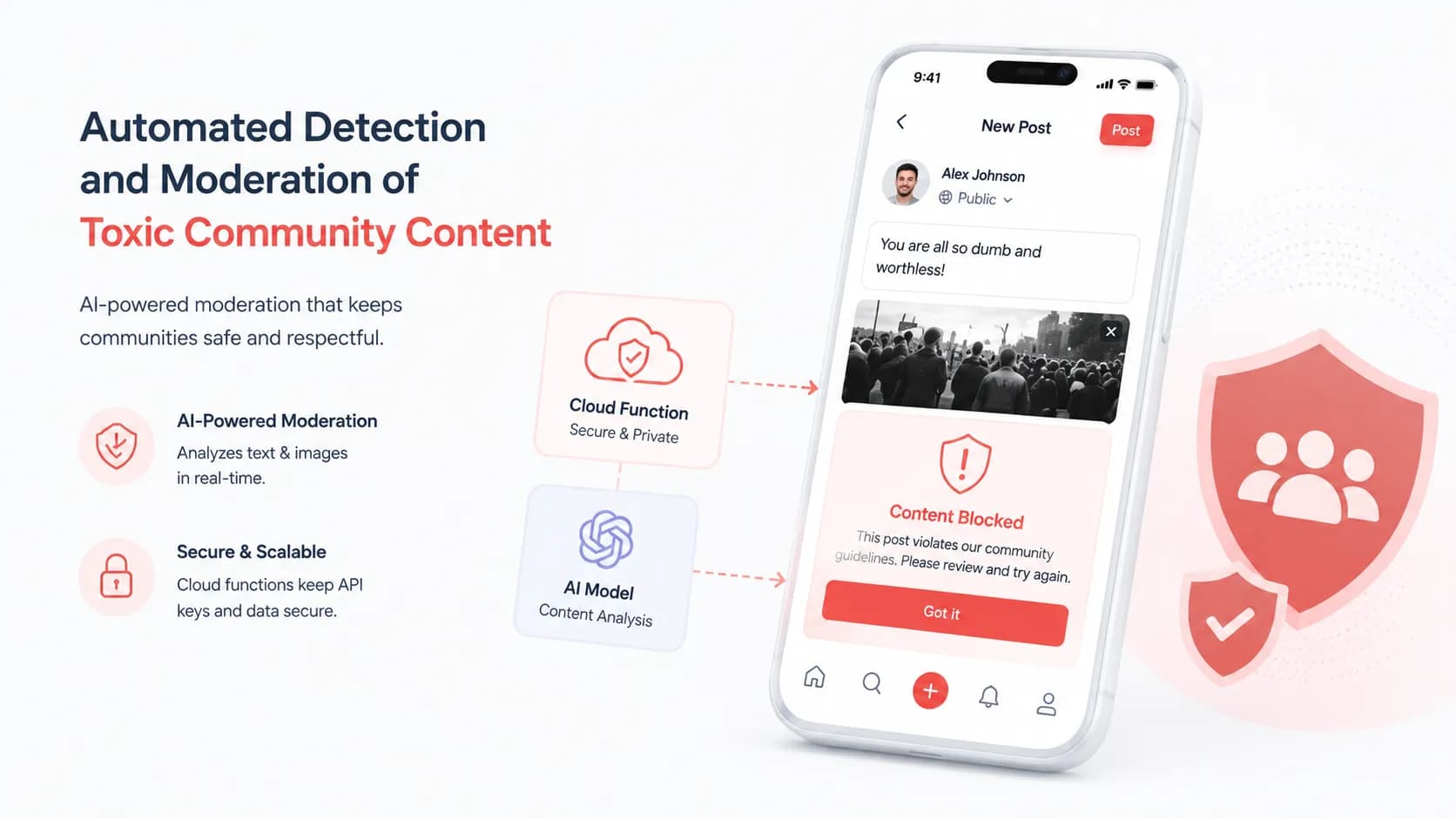
Automated Detection and Moderation of Toxic Community Content
Safe online spaces require instant moderation that flags inappropriate content without disrupting user interactions or exposing server keys.
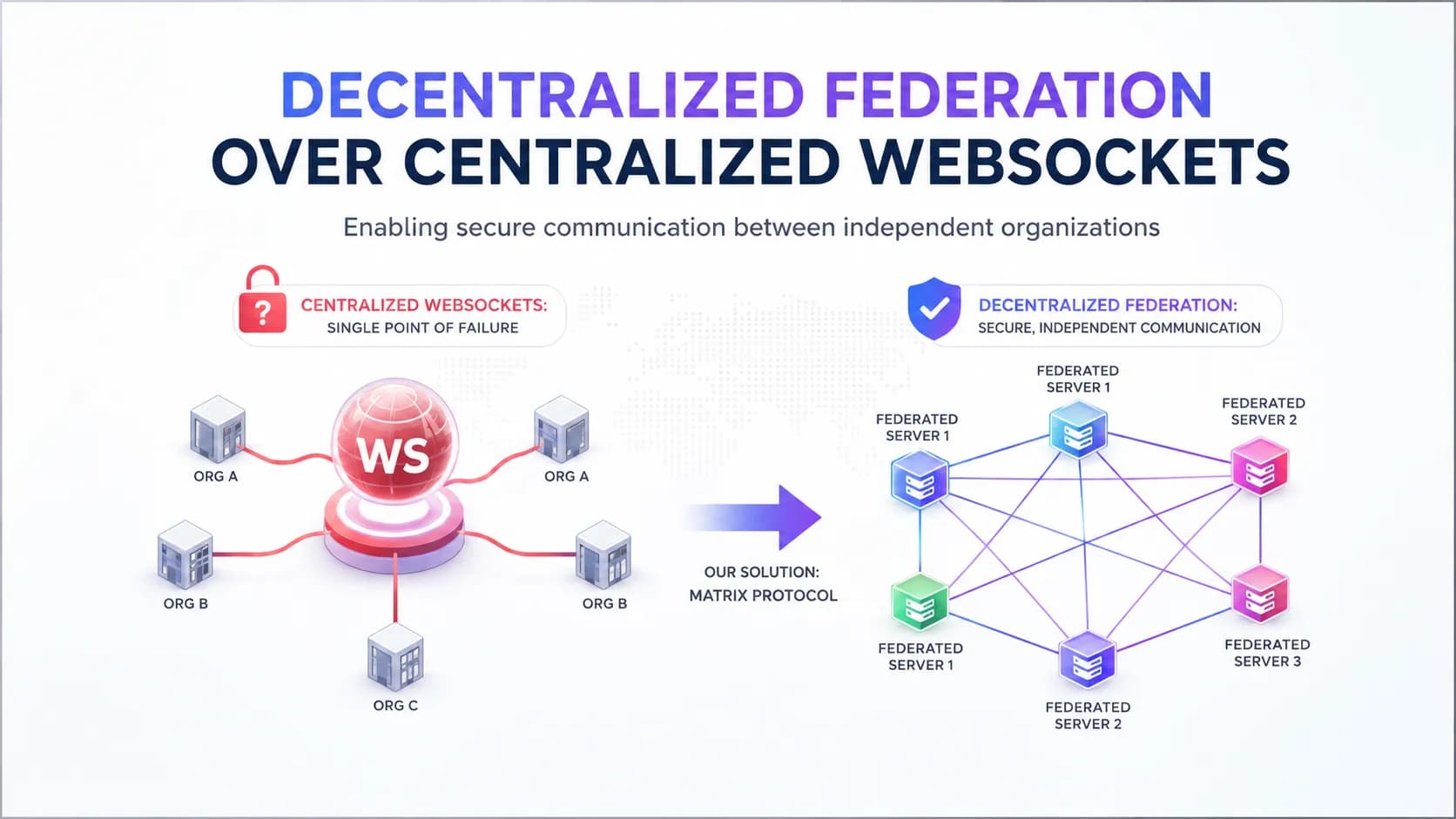
Decentralized Federation Over Centralized WebSockets
Enabling secure communication between independent organizations without a single point of failure.