

Intelligent API Optimization Reduced Backend Infrastructure Costs
As applications grow, unnecessary API requests increase server load, bandwidth consumption, and cloud infrastructure expenses. Repeated requests for identical data also impact application responsiveness and user experience. An optimized API communication strategy was implemented to reduce network traffic while ensuring users always receive accurate and up-to-date information.
The Challenge
The application performed unnecessary API calls, increasing backend costs, slowing response times, and placing additional load on cloud infrastructure.
Solution & Architecture
API requests are optimized
Duplicate and unnecessary network calls are eliminated through intelligent request management, reducing server workload and improving efficiency.
Response caching is implemented
Frequently accessed data is cached and reused whenever appropriate, significantly reducing backend traffic and repeated requests.
Efficient request scheduling is applied
API calls are executed only when business data changes, preventing redundant communication between the application and backend.
Network communication is streamlined
Payload sizes are minimized and only essential information is exchanged, lowering cloud resource consumption while maintaining a responsive user experience.
Technologies & Tools Used:
Related Case Studies
Explore how we deliver results across other domains and technologies.

Intelligent Connection Management Reduced Video Call Failures by 90%
Keeping video meetings stable becomes challenging when participants frequently join, leave, or reconnect. Traditional WebRTC implementations often leave stale signaling data behind, causing frozen video streams and failed reconnections that negatively impact the meeting experience.

Zero-Trust Local Encryption Protected 100% of Sensitive Vault Data
Modern password managers store highly sensitive information including passwords, banking credentials, API keys, secure notes, and confidential documents. Protecting this information requires more than database encryption—it demands a zero-trust architecture where encryption keys remain inaccessible and sensitive data is never stored in plain text.
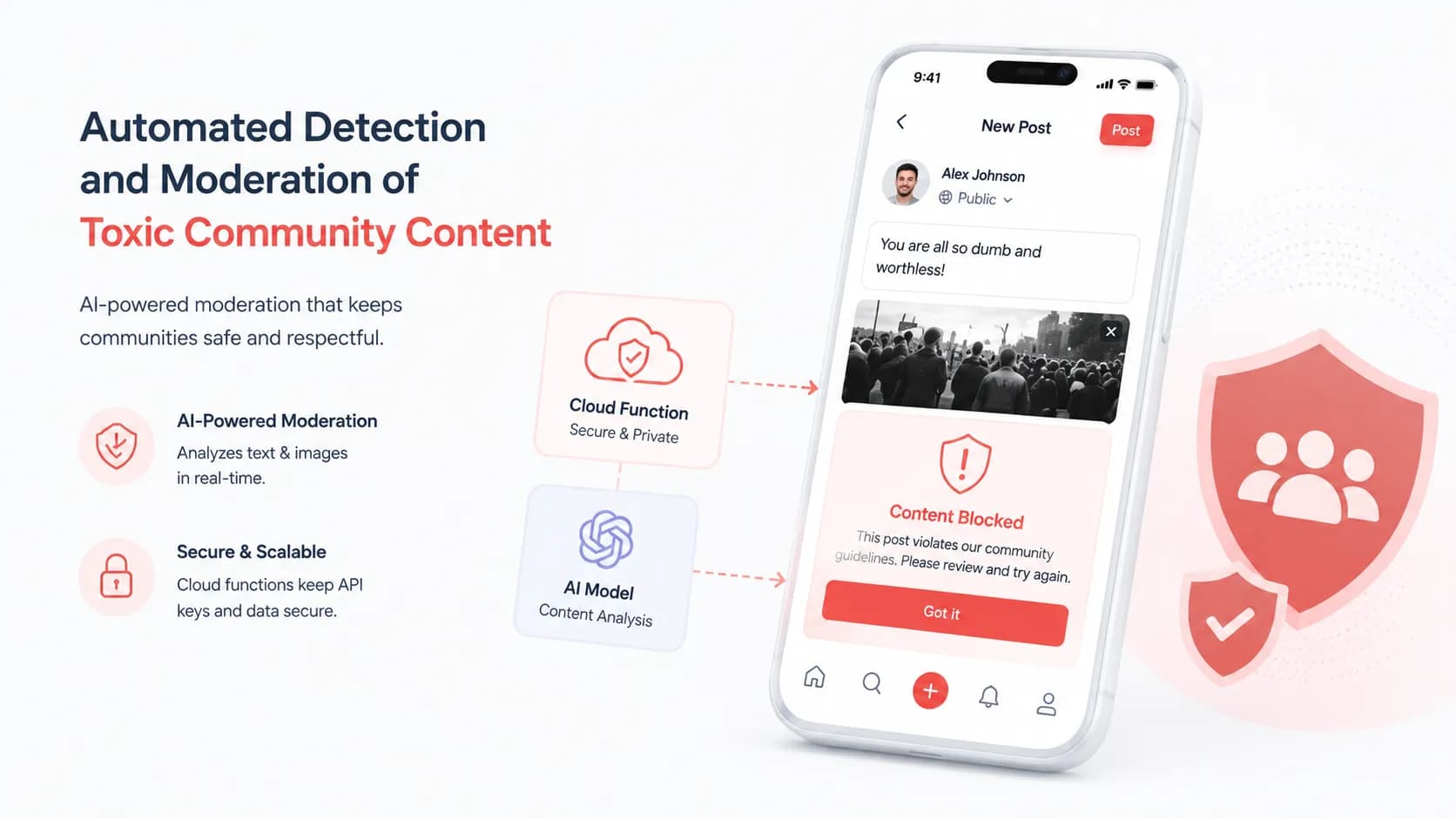
Automated Detection and Moderation of Toxic Community Content
Safe online spaces require instant moderation that flags inappropriate content without disrupting user interactions or exposing server keys.
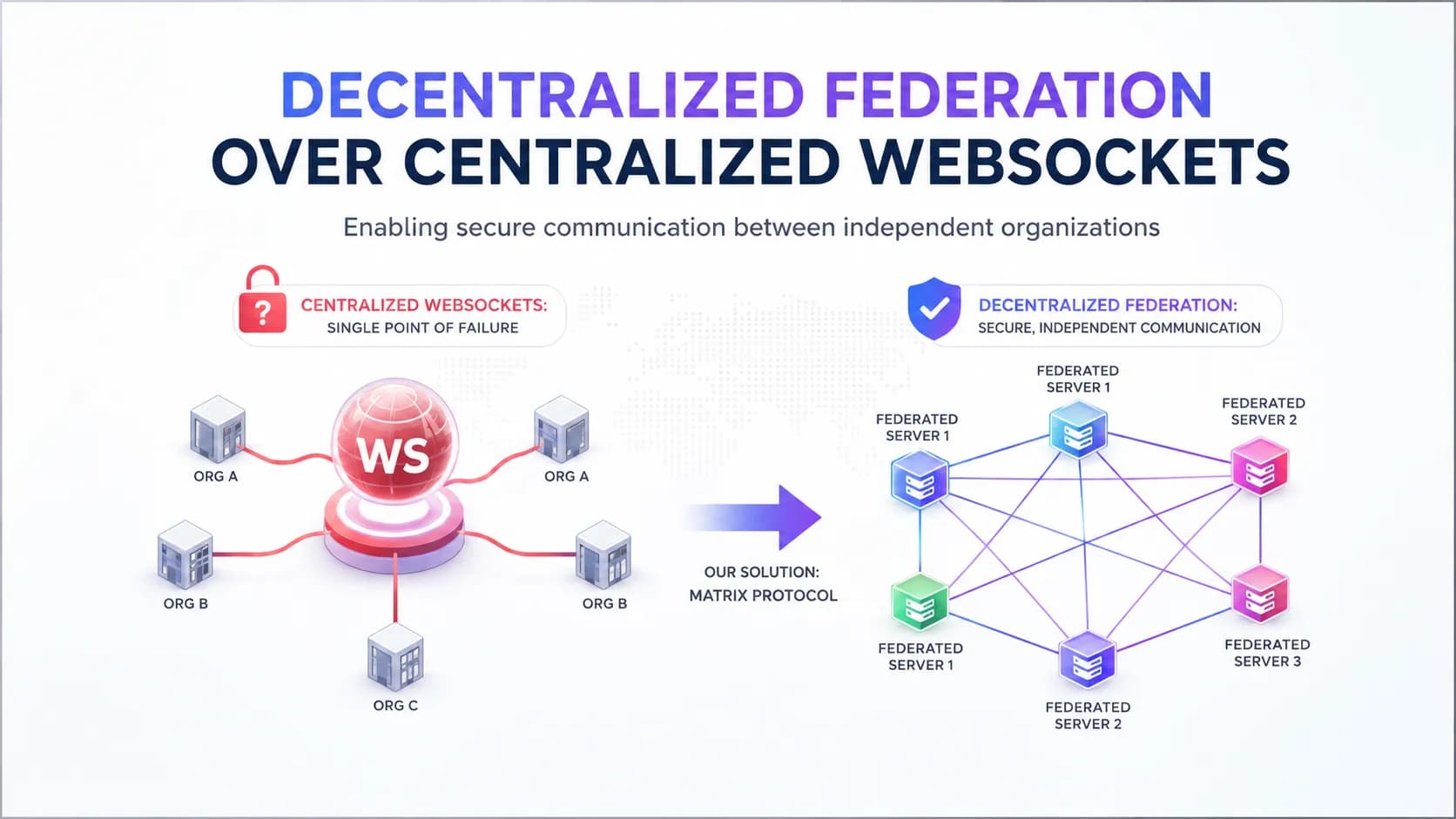
Decentralized Federation Over Centralized WebSockets
Enabling secure communication between independent organizations without a single point of failure.