

Dynamic Deal Pricing Helped Restaurants Maximize Revenue During Off-Peak Hours
Restaurants often experience unpredictable customer demand throughout the day, leading to empty tables during slower business hours and missed revenue opportunities. Traditional promotions lack flexibility and fail to respond to changing demand patterns in real time. A dynamic pricing engine was implemented to empower restaurants with time-sensitive promotional offers that create urgency, attract nearby diners, and maximize table occupancy.
The Challenge
Restaurant owners needed a flexible pricing strategy that could quickly adapt to changing customer demand without requiring manual intervention or long-running promotional campaigns.
Solution & Architecture
Time-sensitive pricing is implemented
Restaurants can create Flash Deals with custom discounts that remain active for a limited duration, encouraging immediate customer action.
Dynamic promotion scheduling is supported
Flash Deals automatically activate and expire based on predefined start and end times, eliminating manual campaign management.
Subscription-aware premium features are enabled
Flash Deal creation is available exclusively to restaurants with an active subscription, providing access to advanced promotional capabilities.
Promotion lifecycle is automated
Active deals become instantly visible to nearby diners while expired promotions are automatically removed to ensure only valid offers are displayed.
Technologies & Tools Used:
Related Case Studies
Explore how we deliver results across other domains and technologies.
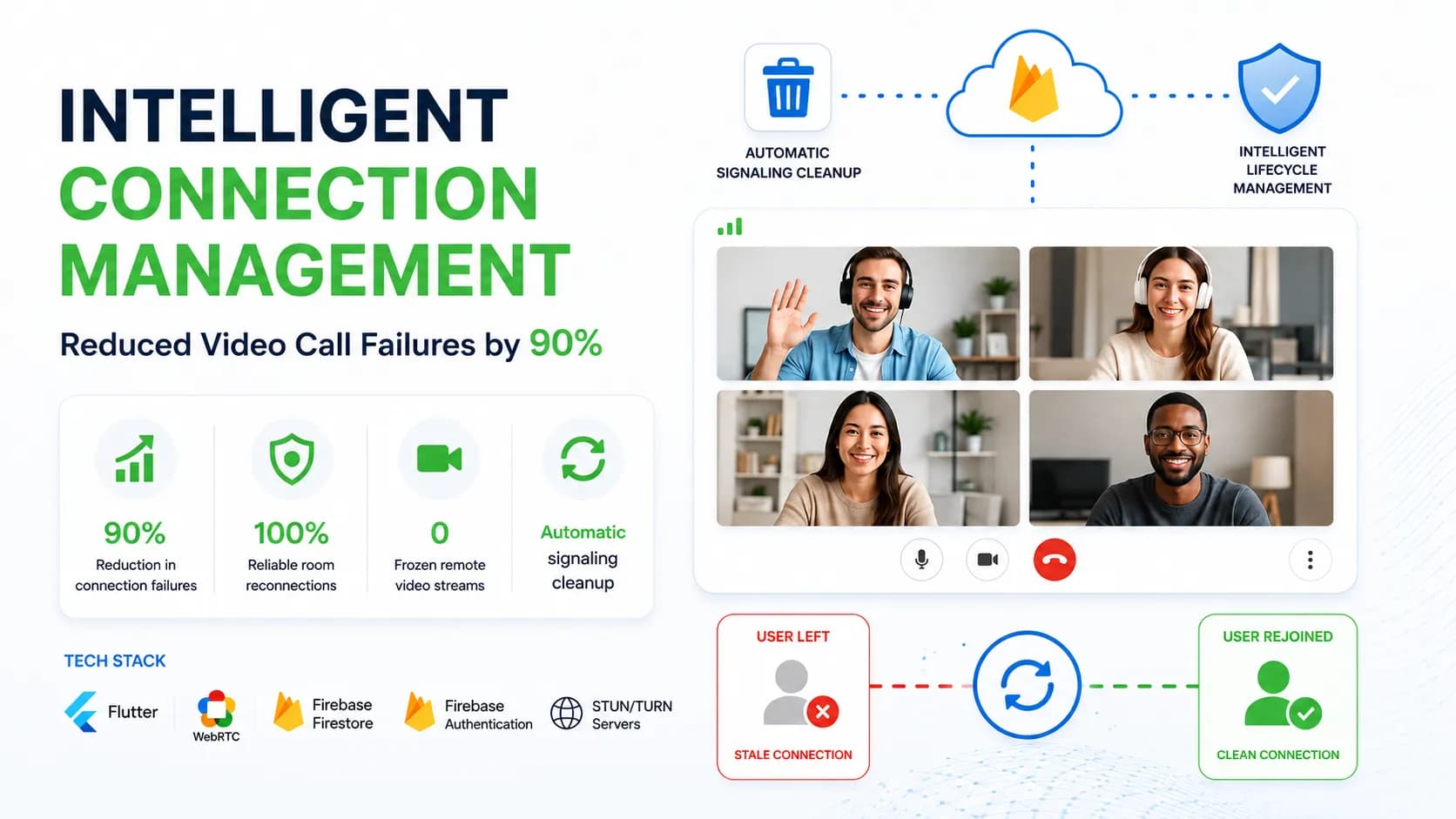
Intelligent Connection Management Reduced Video Call Failures by 90%
Keeping video meetings stable becomes challenging when participants frequently join, leave, or reconnect. Traditional WebRTC implementations often leave stale signaling data behind, causing frozen video streams and failed reconnections that negatively impact the meeting experience.
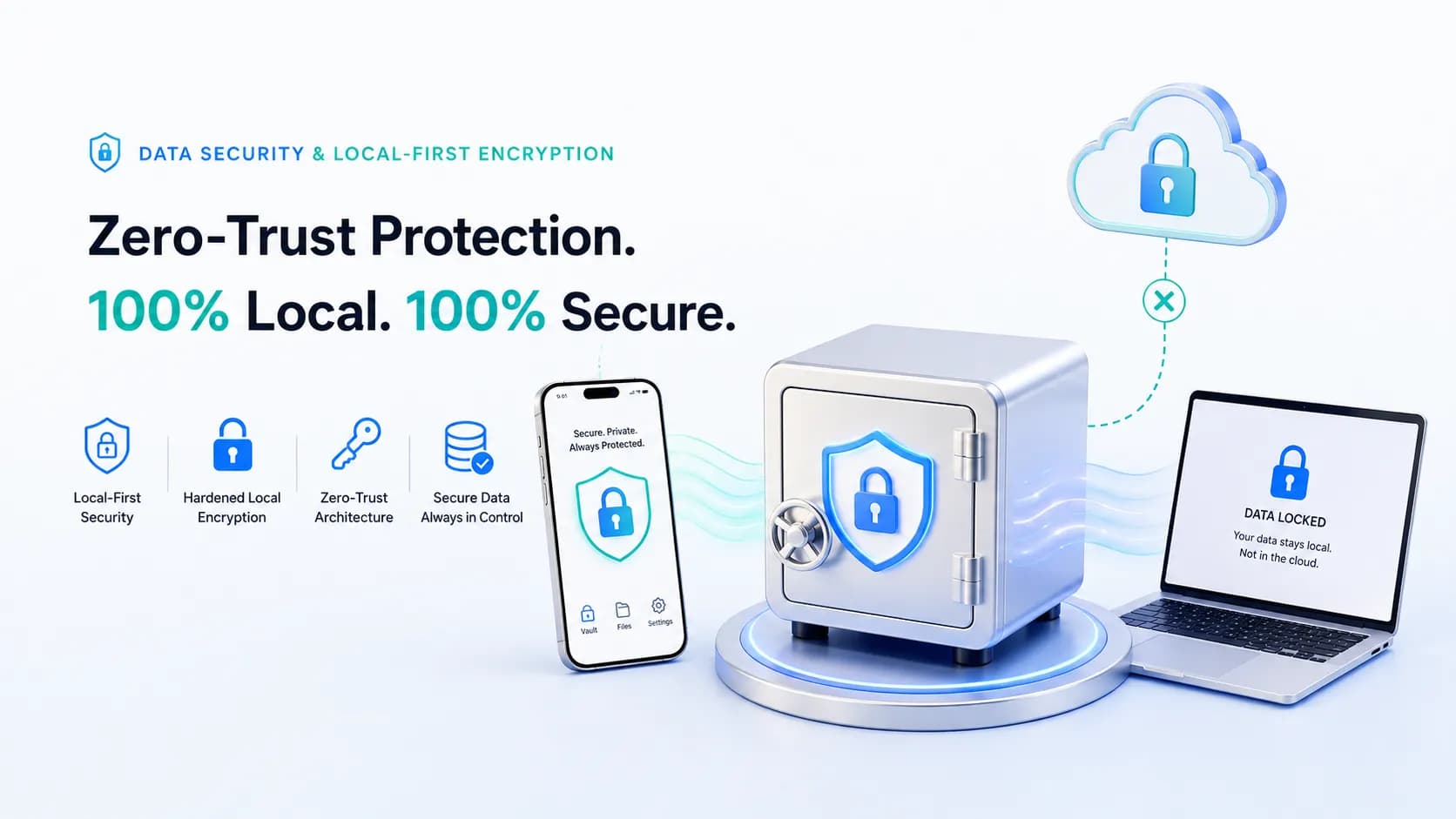
Zero-Trust Local Encryption Protected 100% of Sensitive Vault Data
Modern password managers store highly sensitive information including passwords, banking credentials, API keys, secure notes, and confidential documents. Protecting this information requires more than database encryption—it demands a zero-trust architecture where encryption keys remain inaccessible and sensitive data is never stored in plain text.
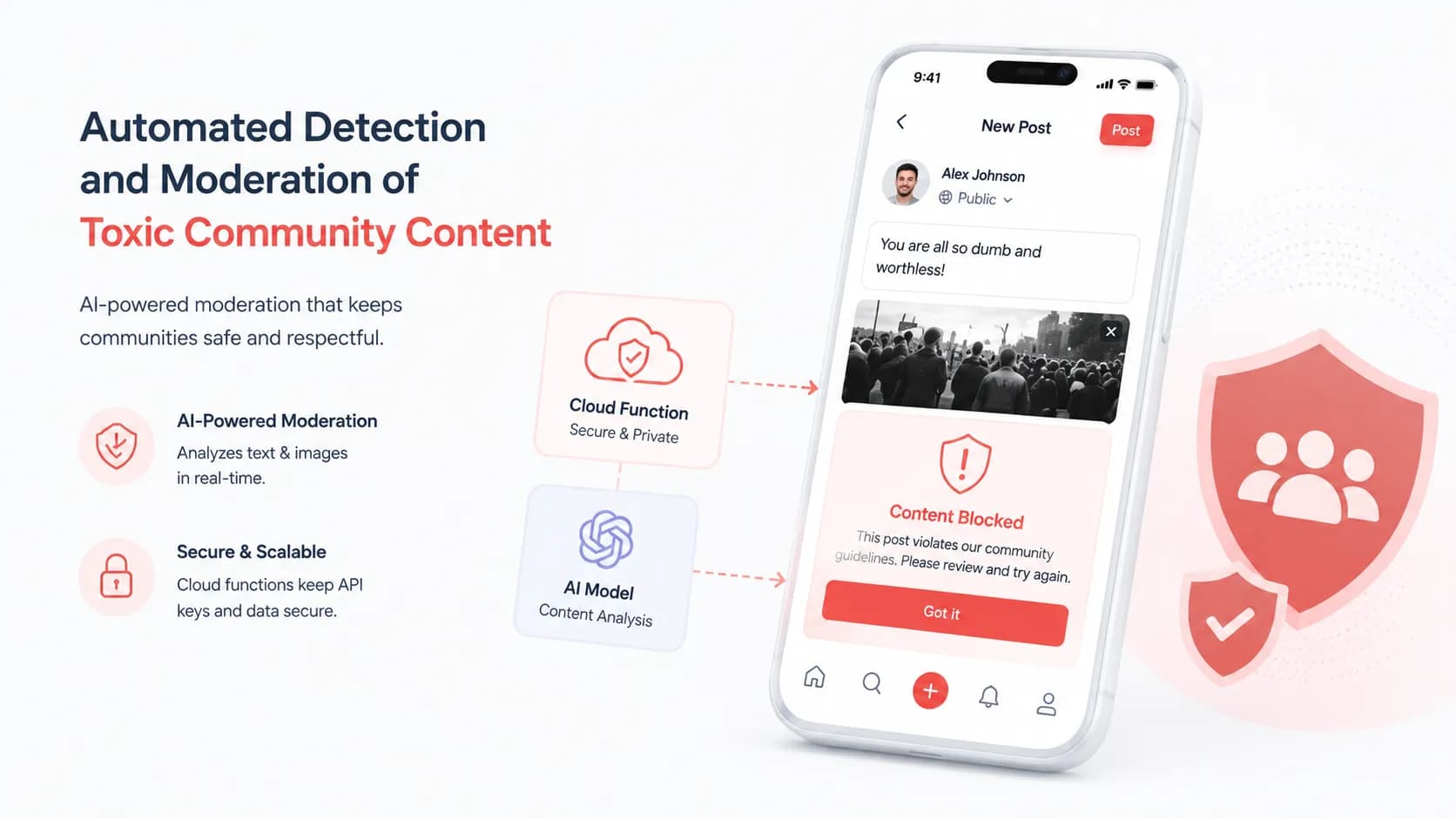
Automated Detection and Moderation of Toxic Community Content
Safe online spaces require instant moderation that flags inappropriate content without disrupting user interactions or exposing server keys.
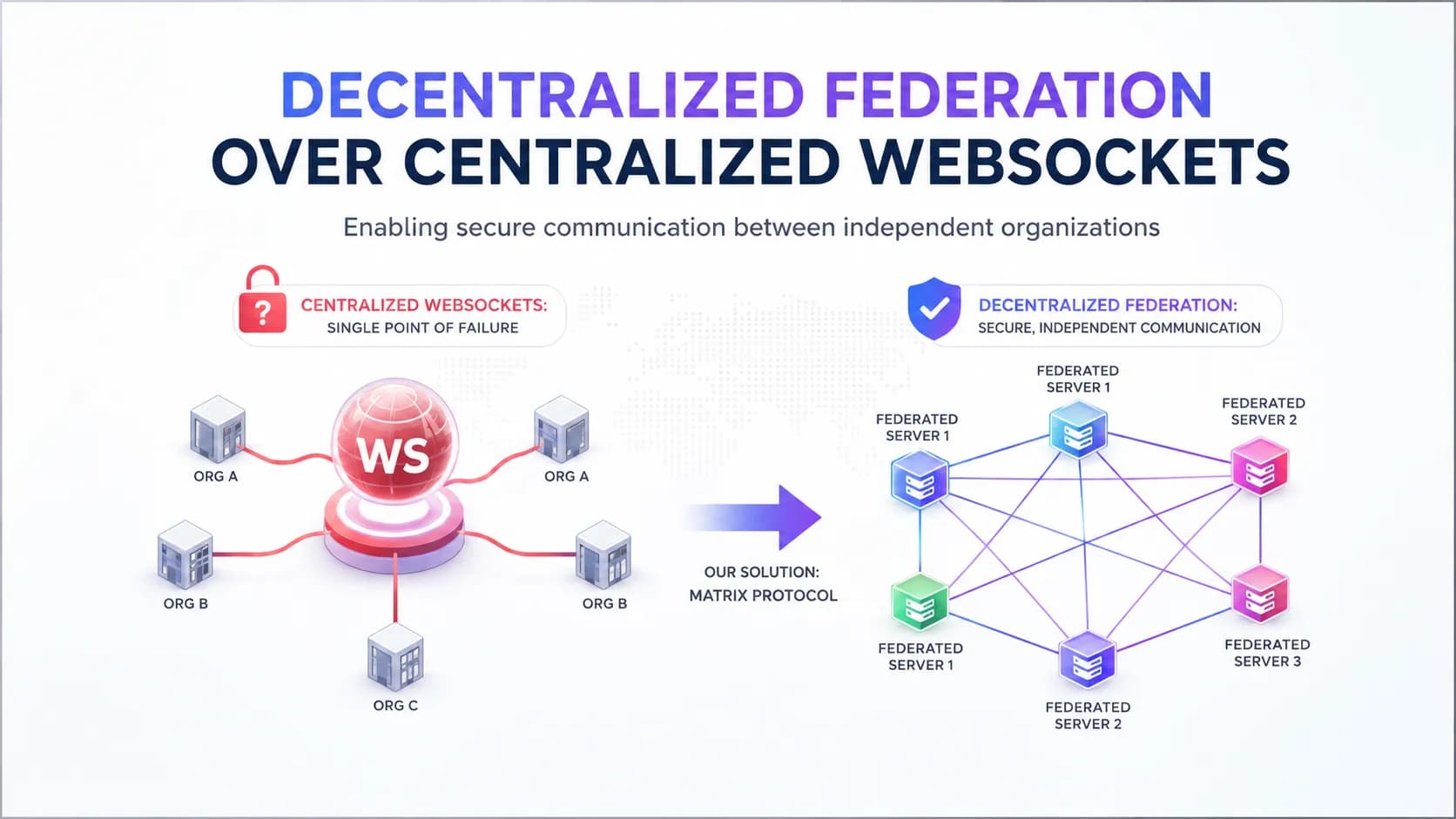
Decentralized Federation Over Centralized WebSockets
Enabling secure communication between independent organizations without a single point of failure.