

Built-In Navigation Eliminated the Need for Third-Party Map Applications
Switching between multiple applications during navigation interrupts the user experience and increases the likelihood of losing context. Users expect modern applications to provide a complete workflow without relying on external navigation services. An integrated navigation experience was developed to allow users to discover destinations and navigate to them without ever leaving the application.
The Challenge
Users were redirected to third-party map applications for navigation, creating unnecessary app switching and disrupting the overall experience.
Solution & Architecture
In-app navigation is implemented
Users can navigate directly to their selected destination without leaving the application, creating a seamless end-to-end experience.
Real-time route rendering is supported
Navigation paths are generated and displayed directly on the embedded map interface for continuous route guidance.
Turn-by-turn route visualization is provided
Users can easily follow the generated navigation path throughout their journey with clear visual route guidance.
Live location tracking is enabled
The user's location updates continuously during navigation, ensuring accurate positioning and a fully integrated in-app navigation experience.
Technologies & Tools Used:
Related Case Studies
Explore how we deliver results across other domains and technologies.

Intelligent Connection Management Reduced Video Call Failures by 90%
Keeping video meetings stable becomes challenging when participants frequently join, leave, or reconnect. Traditional WebRTC implementations often leave stale signaling data behind, causing frozen video streams and failed reconnections that negatively impact the meeting experience.

Zero-Trust Local Encryption Protected 100% of Sensitive Vault Data
Modern password managers store highly sensitive information including passwords, banking credentials, API keys, secure notes, and confidential documents. Protecting this information requires more than database encryption—it demands a zero-trust architecture where encryption keys remain inaccessible and sensitive data is never stored in plain text.
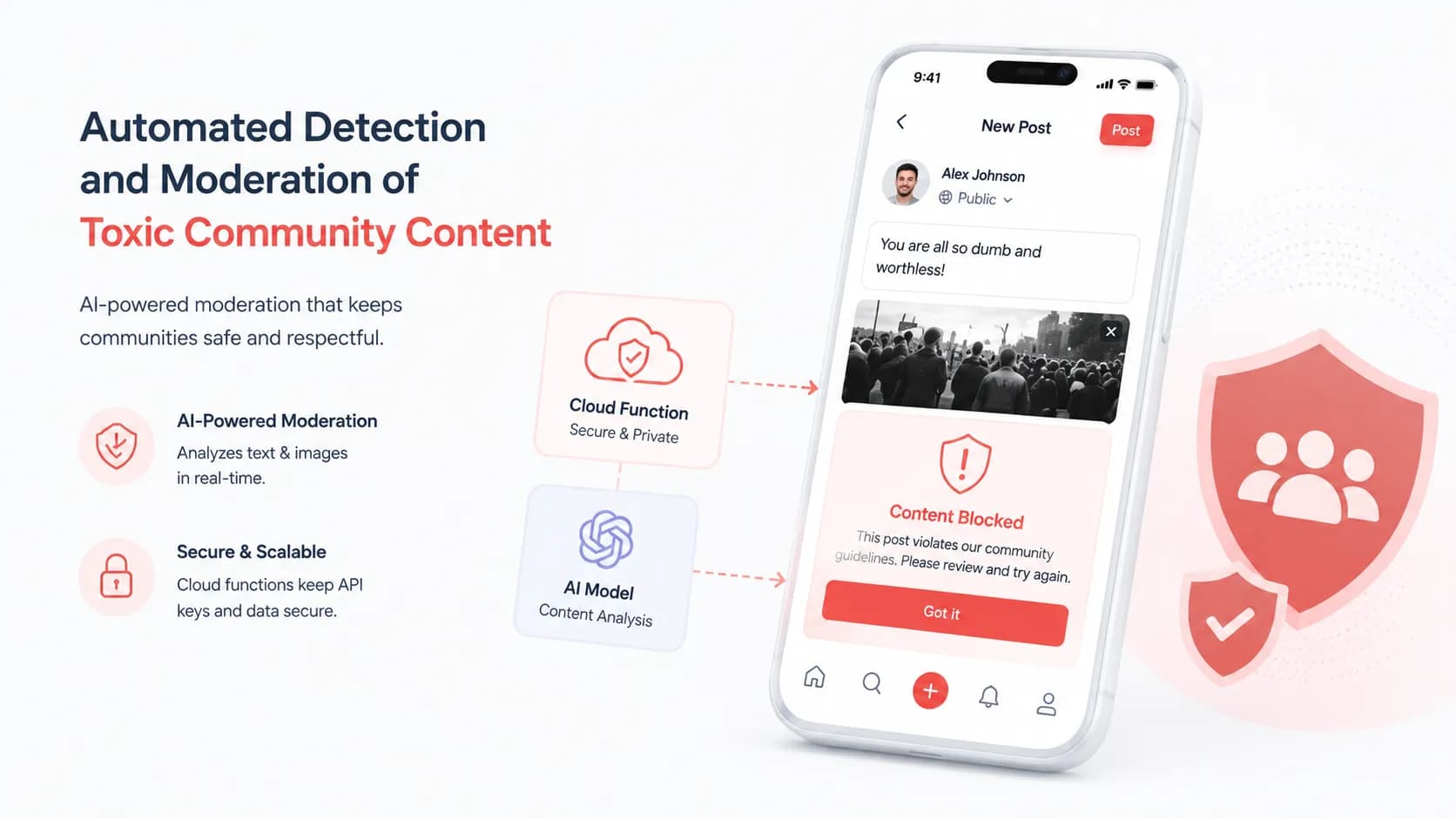
Automated Detection and Moderation of Toxic Community Content
Safe online spaces require instant moderation that flags inappropriate content without disrupting user interactions or exposing server keys.
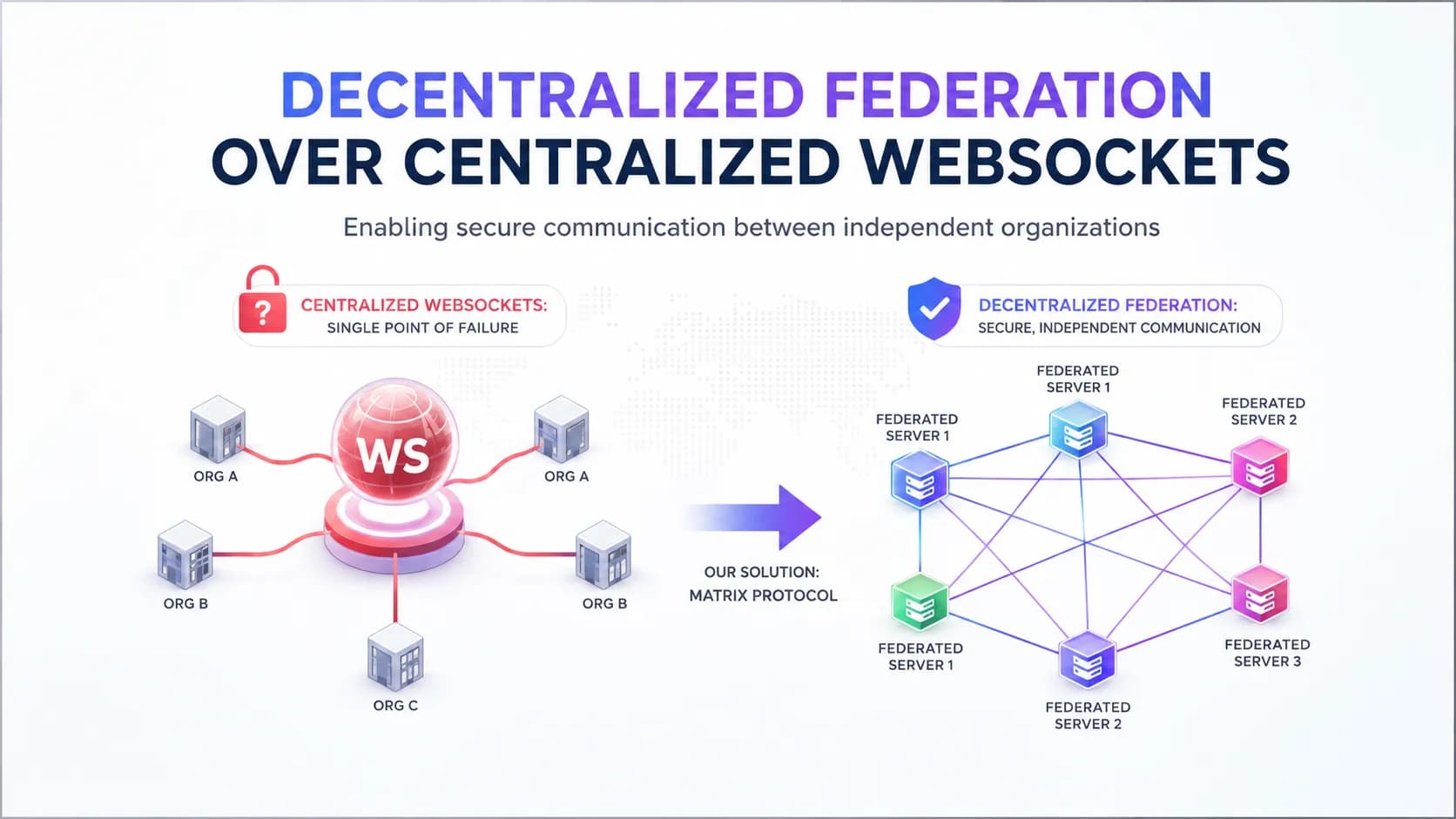
Decentralized Federation Over Centralized WebSockets
Enabling secure communication between independent organizations without a single point of failure.